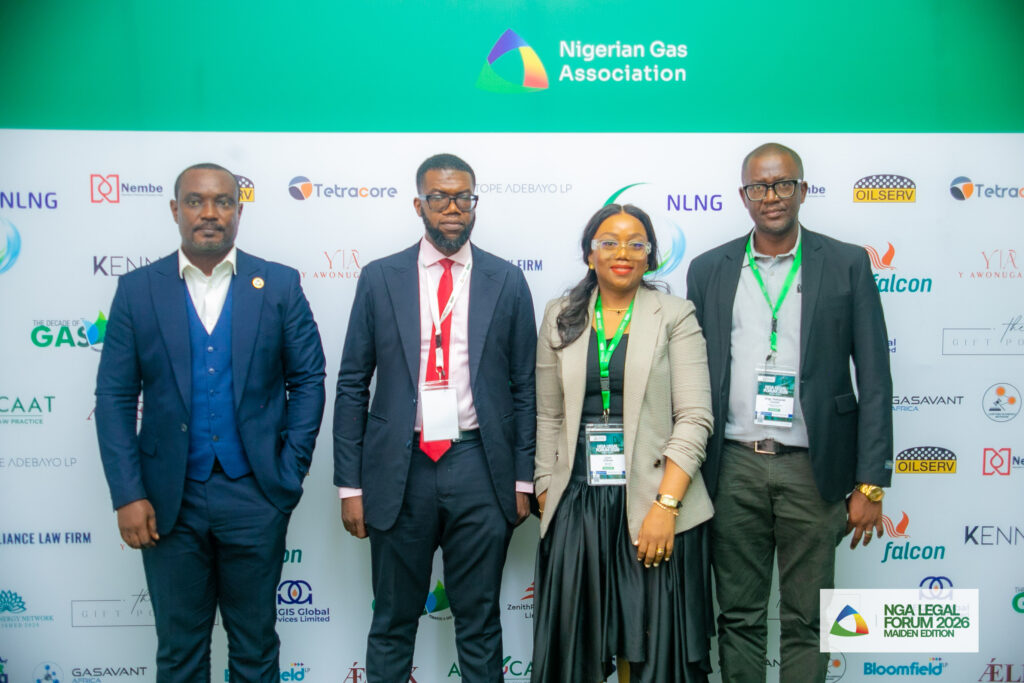
There are moments in an industry’s evolution when conversations transcend routine discourse and become defining signals of the future. At the prestigious Fantasia Ballroom, Eko Hotels and Convention Center, such a moment unfolded where law, policy, and commercial ambition converged to interrogate the trajectory of Nigeria’s gas sector.
Convened under the auspices of the Nigerian Gas Association, the NGA Legal Forum 2026 brought together regulators, legal experts, and industry leaders in a high-level dialogue anchored on one central question:
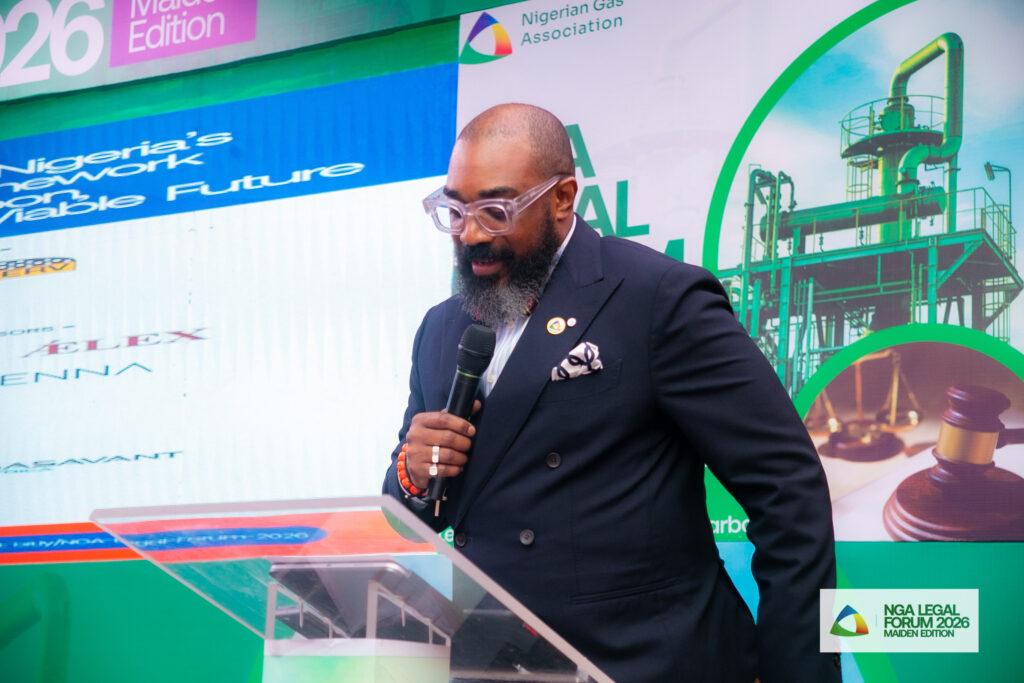
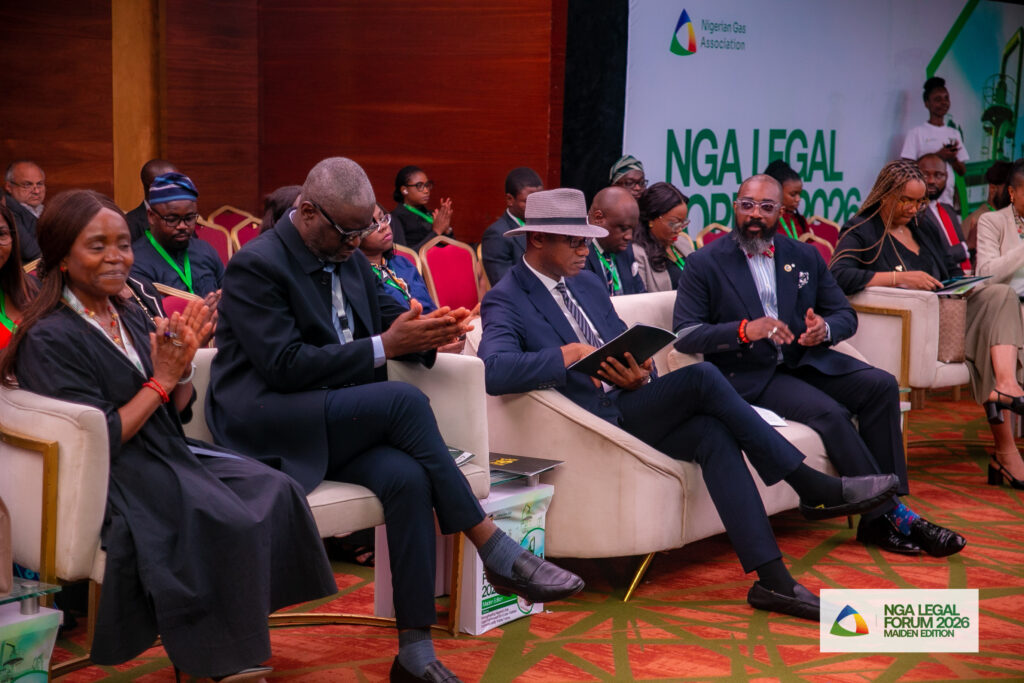
how can Nigeria translate its vast gas potential into sustainable economic value?
As a Platinum Sponsor, Oilserv Limited demonstrated its continued leadership in shaping sectoral discourse, with representation by Barr. Humphrey Onyeukwu, Group Head, Legal & Company Secretary, whose contributions reflected the company’s deep operational and strategic insight into Nigeria’s evolving gas landscape.
Delivering the keynote address, Engr. Saidu Aliyu Mohammed, Authority Chief Executive of the Nigerian Midstream and Downstream Petroleum Regulatory Authority, established a clear and uncompromising premise: the future of Nigeria’s gas sector will not be determined by resource abundance alone, but by the strength and credibility of its regulatory architecture. With over 297 trillion cubic feet of proven gas reserves, Nigeria’s comparative advantage is evident. Yet, as articulated, the true determinant of growth lies in regulatory stability, clarity, and predictability, critical pillars for attracting long-term capital and enabling project bankability.
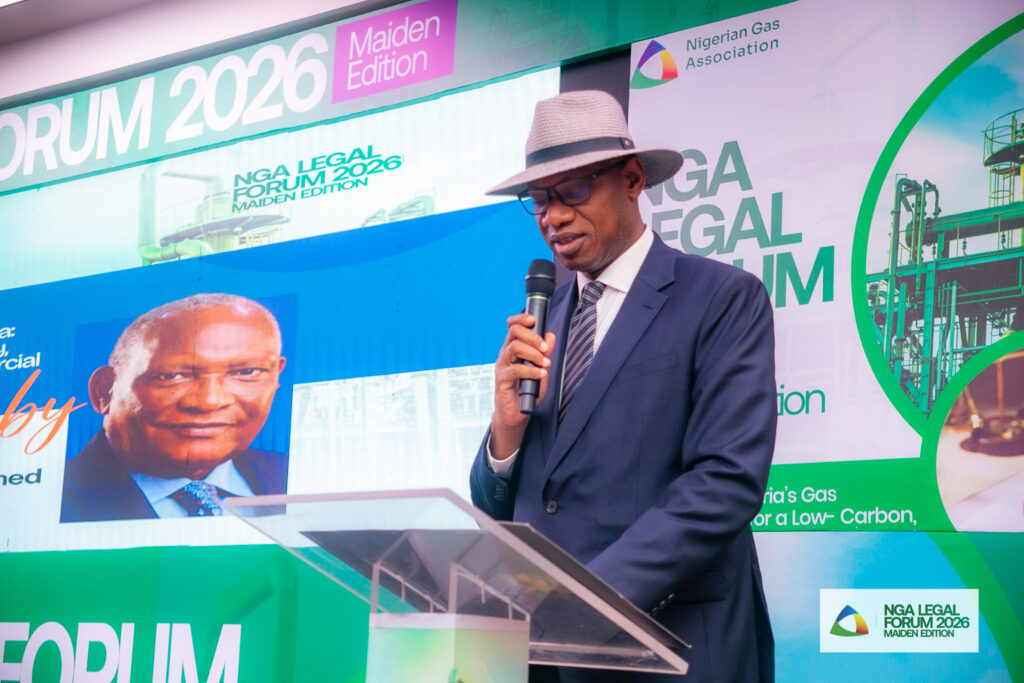

The enactment of the Petroleum Industry Act was positioned as a structural reset, one that has shifted gas from a marginal byproduct of oil to a standalone economic driver. Through a suite of targeted regulations governing transportation, distribution, pricing, tariffs, and settlement, the NMDPRA is actively institutionalizing order within the market. Complementary reforms in licensing and permitting processes are further reducing uncertainty, strengthening investor confidence, and accelerating infrastructure development in alignment with the Federal Government’s Decade of Gas Initiative.
Beyond frameworks, the keynote underscored the criticality of enforcement discipline, particularly in contract sanctity, dispute resolution, and regulatory transparency. The introduction of gas trading and settlement licensing in 2025, alongside expanded distribution licensing, signals a deliberate transition toward a more structured, transparent, and commercially viable gas marketplace.


The first plenary session, themed “Five Years After the PIA – Lessons, Gaps, and Legal Imperatives for Nigeria’s Gas Expansion,” provided a rigorous evaluation of reform outcomes. Featuring Barr. Humphrey Onyeukwu alongside Yemisi Awonuga of Y-Awonuga LP, John Chibueze of Axxela Limited, and moderated by Tagi Ogbe, the Executive Secretary of the NGA, the session delivered a balanced assessment, acknowledging both progress and persisting structural gaps.
From an architectural standpoint, the PIA was widely recognized as transformative. It has introduced a coherent legal and fiscal framework capable of sustaining capital inflows, enabling standalone gas commercialization, and restoring Nigeria’s competitiveness in the global energy market. It has also fostered the emergence of specialized regulators such as the NMDPRA and NUPRC, improving sector governance and engagement.

However, as the discussions revealed, the challenge has shifted from design to execution. Barr. Humphrey emphasized that while the PIA provides a functional structural blueprint, implementation gaps, particularly around pricing clarity, tariff regimes, and institutional coordination continue to constrain operational efficiency, especially for EPC players. This perspective reflects a broader industry sentiment: frameworks alone do not unlock value; execution does. Other panelists reinforced this position. The PIA has enabled commercial gas discoveries, strengthened midstream operations, and improved regulatory certainty.
Yet, ambiguities in integrated operations, dual licensing structures, and open access frameworks remain areas requiring urgent refinement. The call for a more streamlined, “one-stop-shop” regulatory approach emerged as a recurring theme, aimed at eliminating overlaps and enhancing investor confidence.
From an architectural standpoint, the PIA was widely recognized as transformative. It has introduced a coherent legal and fiscal framework capable of sustaining capital inflows, enabling standalone gas commercialization, and restoring Nigeria’s competitiveness in the global energy market. It has also fostered the emergence of specialized regulators such as the NMDPRA and NUPRC, improving sector governance and engagement.

From a commercial lens, Mr. Humphrey at the forum highlighted a critical truth: capital responds to clarity. He emphasized that the PIA’s fiscal incentives and legislative clarity have already begun stimulating investment interest. However, key investor concerns persist, particularly around pricing mechanisms, payment assurance structures, and open access frameworks. He continued that pricing is not merely a technical variable; it is the foundation upon which financing, risk allocation, and long-term viability are built. Other panelists had strong consensus that getting the pricing right could significantly reduce legacy debt burdens, streamline regulatory interactions, and enhance the overall attractiveness of the sector.
Equally, alignment across related frameworks, such as the Electricity Act was identified as essential for creating a seamless and integrated energy market. Infrastructure also featured prominently in the discourse. Strategic projects, including the proposed North–South gas pipeline, were identified as critical enablers for unlocking large-scale investment and ensuring nationwide gas accessibility.
A defining takeaway from the panelists was the indispensable role of the legal community in shaping the sector’s future. Legal practitioners are not peripheral actors;
they are central to structuring bankable agreements, interpreting regulatory frameworks, resolving disputes efficiently, and influencing policy direction. The dialogue emphasized that sustainable growth will depend on continuous collaboration between regulators, legal experts, and industry operators, ensuring that reforms are not only well-designed but also effectively operationalized.
As the forum progressed into broader plenary discussions, covering fiscal incentives, investment risks, banking gas agreements, and emerging opportunities, a unifying message became evident: Nigeria’s gas sector stands at a decisive inflection point. The pathway forward demands more than policy articulation. It requires disciplined implementation, regulatory consistency, infrastructure investment, and sustained stakeholder engagement. Delays in issuing guidelines, regulatory ambiguities, and excessive state control were identified as risks that could undermine competitiveness if not addressed decisively. Yet, the outlook remains firmly optimistic.

The NGA Legal Forum 2026 did more than diagnose challenges, it reinforced a collective commitment to solutions. It underscored the need for transparency, predictability, and collaboration as foundational principles for sectoral growth. For Oilserv Limited, participation at this level reflects not only industry leadership but a strategic alignment with the future of Nigeria’s energy landscape, one where engineering expertise, legal precision, and regulatory clarity converge to unlock enduring value.
In recognition of its role as a Platinum Sponsor, Oilserv Limited was presented with an appreciation award at the forum, further affirming its visible commitment to advancing industry dialogue, strengthening institutional partnerships, and supporting the development of a more structured and investment-ready gas ecosystem.
The company’s delegation to the forum comprised Barr. Humphrey Onyeukwu, Group Head, Legal & Company Secretary; Mrs. Chinwe Uche, Legal Manager; Mr. Nathaniel Ezeobi, Commercial and Sales Manager, FrazEnergy Limited; and Mr. Jubilee Isong, Head, Corporate Communications & Brand Management.
In the final analysis, Nigeria’s gas narrative is no longer about potential. It is about performance. And as echoed across the halls of the Fantasia Ballroom, the responsibility for delivering that performance rests collectively with regulators, legal minds, and industry leaders working in concert to transform promise into progress.